
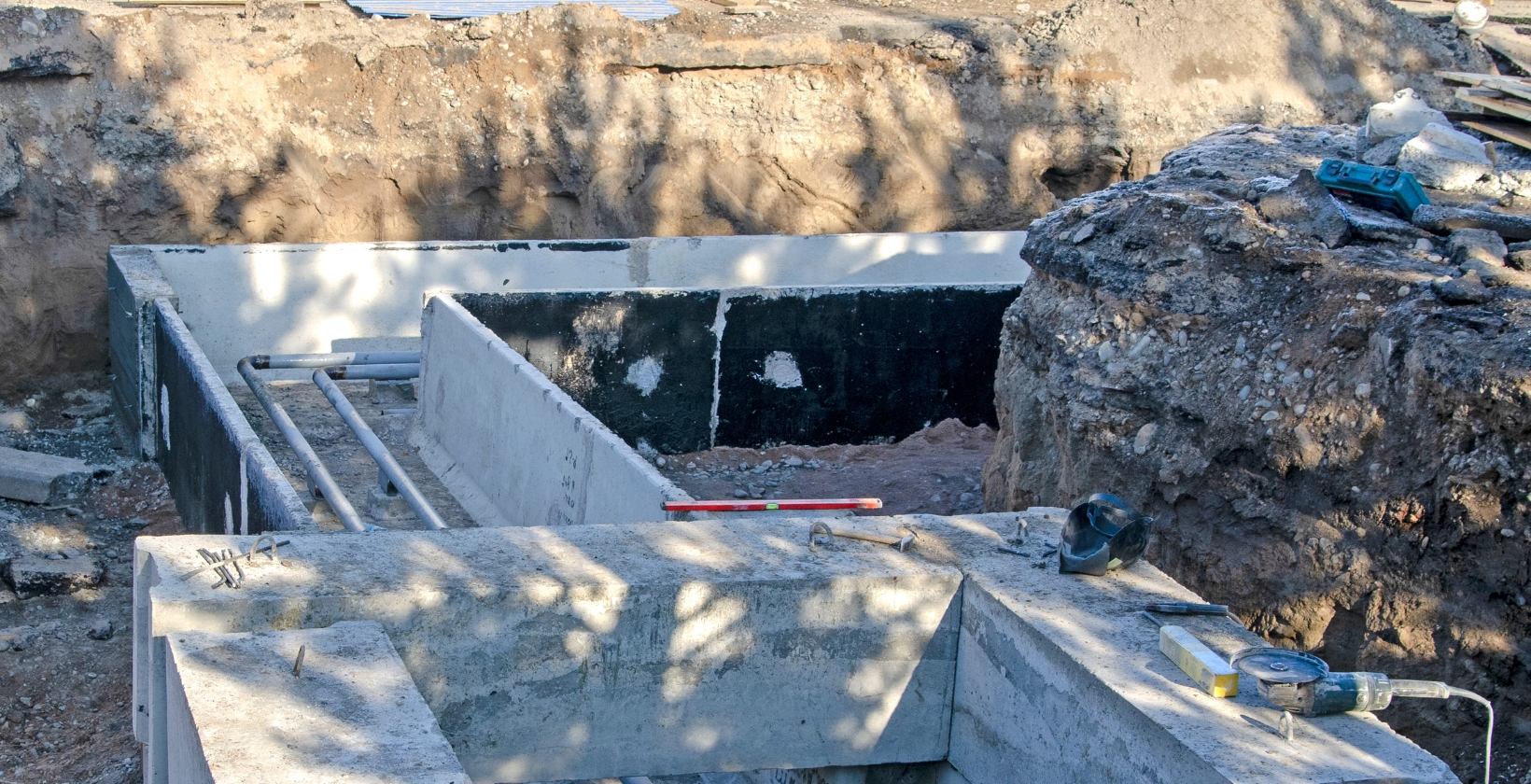
This page covers how the pipework is installed, the safety measures we work to, how long the job takes, what affects the cost, and why buried pipework still needs maintaining.
What Is Underground Gas Pipework Installation?
Underground gas pipework installation is the laying of gas service pipes below ground to reach a building or a part of a site. We install polyethylene, copper and steel pipework at both medium and low pressure.
The pipe is laid at the correct depth, surrounded with suitable fill and marked with warning tape, then tested before the trench is closed. Done properly, it gives many years of service.
Why Choose Us for Underground Pipework?
Our engineers are trained for this work and know the regulations that apply to it. We keep you informed at each stage, from locating existing services before we dig to testing before the trench is backfilled.
We have laid buried gas pipework on sites of all sizes, and we are happy to look at drawings before a route is fixed.
Types of Gas Pipework We Install
We install medium pressure, low pressure and domestic gas pipework, matched to what the site needs.
Each installation follows the safety rules for buried gas pipe so that it lasts and delivers gas reliably. Medium pressure systems suit industrial demand. Low pressure pipelines serve most other premises.
How We Keep Underground Pipework Installation Safe
Before any digging, we locate existing buried services. We use gas leak detection equipment and protective equipment throughout, and our staff are trained regularly.
We work within the local regulations for each site, including highway consent where a route runs near a public road, so every installation is safe and lawful.
How Long Does the Installation Take?
It depends on the length of the run, the ground and the site. We plan the work in detail and agree a timeline before we start.
Each stage, from assessment to final testing and inspection, is managed to avoid delays, allowing for site conditions and weather. We keep you updated as the job progresses.
What Affects the Cost?
The cost depends on the materials, the labour and the site conditions. Pipe size and material, the length of the trench, access for plant and the ground you are digging through all affect the price.
We give detailed estimates so you can see how the figure is made up, and we aim to keep the job within your budget without cutting corners.
Why Buried Gas Pipework Still Needs Maintenance
Out of sight is not out of harm. Older buried steel can corrode from the outside, and ground movement can stress joints. Periodic inspection and testing find these problems before they become leaks.
Maintenance keeps the installation within the regulations, extends its life and reduces the chance of an expensive emergency repair.
Get Advice on Underground Gas Pipework
For advice on a buried gas supply, new or existing, call us for a free consultation. We will survey the site, explain the options and give you a written quote.